Showing posts with label Travel to Philippines. Show all posts

Monday, April 8, 2024

Why Traveling to the Philippines is a Must? Unveiling the Gates to a Hidden Paradise Just a Step Away

Why Travel to the Philippines: A Tale from Marco Polo

You have some reasons for travel to Philippines.


Greetings, dear reader.  The renowned explorer who has traversed the vast landscapes and seas of our wondrous world. Today, I bring you tidings of an extraordinary land known as the Philippines, an archipelago in the heart of Southeast Asia. It is a realm of unparalleled beauty and a mosaic of cultures, where adventure beckons from every corner. Allow me to share with you the marvels that await in this tropical paradise.

The Allure of the Archipelago

The Philippines, with its over 7,100 islands, is a veritable Eden on Earth. Its stunning beaches, vibrant culture, rich history, delicious cuisine, and warm hospitality are but a few of the treasures that adorn this land. Whether you seek the pristine shores of Boracay and Palawan, the bustling cities of Manila and Cebu, or the historical sites of Intramuros and the Banaue Rice Terraces, the Philippines offers something for every soul. Here, the influences of Spain, America, and indigenous cultures intertwine, creating a tapestry of experiences that will enchant any traveler. The Filipinos, with their friendliness and welcoming nature, ensure that visitors feel at home, making a journey to this land an unforgettable experience.


A Haven of Natural Beauties

The Philippines is abundant with natural wonders. Crystal-clear waters, white sandy beaches, tropical rainforests, and impressive volcanic mountains are just the beginning. Each island reveals a striking masterpiece of nature, feasting the eyes and nourishing the soul. Popular destinations such as Boracay, Palawan, and Siargao offer some of the world's most breathtaking sceneries.


Warm Hospitality and Cultural Riches

Filipino people are known for their hospitality and warm smiles. The local culture is alive with colorful festivals, traditional dances, and delectable cuisines. As you travel through the Philippines, you will be immersed in rich cultural experiences. Interacting with the locals and understanding their way of life and values will make your journey deeply meaningful.


Thrills for the Adventurous Spirit

The Philippines is a paradise for adventure seekers. Whether you are surfing, diving, mountain climbing, or trekking around volcanic craters, the opportunities for adrenaline-filled activities are endless. These adventures promise memories that will last a lifetime.

Culinary Delights

Filipino cuisine is a delightful amalgamation of flavors from across Asia. Fresh seafood, tropical fruits, and local delicacies offer a culinary journey that satisfies every palate. From street vendors to local restaurants, the gastronomic experiences are bound to leave you craving for more.

Inner Peace and Spiritual Renewal

The serene atmosphere of the Philippines, combined with its natural beauty, provides a perfect setting for inner peace and spiritual renewal. Relaxing on white sandy beaches, hiking in lush forests, or watching the sunset on a tranquil island offers a rejuvenating experience for the mind and soul.

Conclusion

Traveling to the Philippines is not merely a holiday; it is an adventure, a journey of exploration and discovery. With its natural beauties, cultural richness, and warm hospitality, this country promises to leave you with unforgettable memories. A visit to the Philippines is a must for anyone seeking experiences that will be cherished for a lifetime.


Further Reasons to Visit

  • Cultural and Historical Sites: The Philippines boasts a rich cultural and historical heritage. Explore sites like Intramuros in Manila, the Banaue Rice Terraces, and various Spanish colonial churches.
  • Adventure and Nature: Outdoor enthusiasts will find a haven here. Enjoy hiking, diving, snorkeling, and island hopping in places like Mount Pulag, Tubbataha Reefs Natural Park, and the Chocolate Hills in Bohol.
  • Diverse Marine Life: As part of the Coral Triangle, the Philippines is renowned for its marine biodiversity. Scuba divers and snorkelers will marvel at the vibrant coral reefs and diverse marine species.
  • Local Cuisine: The culinary diversity of the Philippines is a treat for food enthusiasts. From adobo and sinigang to balut and lechon, the unique flavors are sure to delight.
  • Festivals and Events: Experience the vibrant festivals like the Ati-Atihan Festival, Sinulog Festival, and Panagbenga Festival, each offering a unique cultural insight.
  • Affordability: The Philippines is a budget-friendly destination, making it perfect for travelers seeking affordable yet enjoyable experiences.
  • Tropical Climate: With warm temperatures year-round, the Philippines is ideal for those seeking sunshine and outdoor activities.
  • Language: English is widely spoken, making it easy for international travelers to communicate and navigate.

Practical Travel Tips

  • No Visa Requirement: Many nationalities do not require a visa for short stays.
  • Affordable Costs: Enjoy budget-friendly accommodations, food, and activities.
  • Friendly Locals: Filipinos are known for their warm hospitality and respect for foreigners.
  • Unique Transportation: Experience local transport options like jeepneys for an authentic feel.
  • Year-Round Warmth: Enjoy warm weather throughout the year, with the best travel period being the dry season from January to May.
  • Vibrant Nightlife: Major cities like Manila and Cebu offer vibrant nightlife scenes, with numerous bars, clubs, and live music venues.
  • Rich Wildlife: The Philippines is home to one of the world's most diverse wildlife populations, making it a great destination for nature lovers.

So pack your bags, prepare for an adventure, and immerse yourself in the beauty and culture of the Philippines!


Sunday, March 17, 2024

Journey into Sagada: Exploring Caves, Coffins, and Culture in the Heart of the Philippine Highlands

Sagada
Nice City For Activities;

Sagada is a picturesque town in the mountain province of Luzon, Philippines. Known for its stunning landscapes, unique culture, and outdoor activities, Sagada has become a popular destination for both local and international tourists. Here are some key features of Sagada

  1. Geography:

    • Sagada is situated in the Cordillera Central mountain range in northern Luzon.
    • It is characterized by lush greenery, scenic hills, and deep ravines.
  2. Tourist Attractions:

    • Hanging Coffins: One of the most iconic attractions, Sagada is known for its traditional burial practices where coffins are placed on cliffs or in caves.
    • Sumaguing Cave: A famous cave system with impressive rock formations, stalactites, and stalagmites. Cave connection tours are available for adventurous visitors.
    • Bomod-Ok Falls: A beautiful waterfall surrounded by terraced rice fields, accessible through a trekking trail.
    • Echo Valley: Named for its natural echo, it's another location where hanging coffins can be found.

  3. Cultural Practices:

    • The indigenous Igorot people inhabit Sagada, and their culture is an essential part of the town's identity.
    • Aside from the hanging coffins, other cultural practices include rituals and dances that showcase the traditions and beliefs of the community.

  4. Outdoor Activities:

    • Sagada offers various outdoor activities such as trekking, spelunking, and rock climbing.
    • The town's cool climate makes it an ideal destination for those seeking a break from the lowland heat.

  5. Climate:

    • Sagada enjoys a cool and temperate climate due to its elevation. The weather is relatively cooler compared to other parts of the Philippines.

  6. Local Cuisine:

    • Visitors can enjoy local delicacies like pinikpikan (chicken soup), etag (smoked mountain ham), and other traditional Igorot dishes.

  7. Accessibility:

    • Sagada is accessible by road, and the journey offers scenic views of the mountains and rice terraces.
    • The travel time from Manila to Sagada is around 12 hours by bus or private vehicle.
  8. Accommodations:

    • The town has various accommodations ranging from homestays to guesthouses and inns. It's advisable to book accommodations in advance, especially during peak tourist seasons.
If you want see ınteresting place you visit SAGADA because this place have more activites and hanging coffins... Sadaga province of the mountain province Philippines and is a fifth class municipality in the province. Sagada located north of Manila and Baguio and adjacent to Bontoc and weather is 22-23 C in yearly

Activities On The Sagada
What can you do in the Sagada?  You can popular activities include trekking, exploring both caves and waterfalls, spelunking, bonfires, picnics, rappelling, visiting historical sites, nature hikes, and participating in tribal celebrations. If you want guides can be found upon registration at the tourist-office in Sagada Proper for a small fee.

Famous

What is famous in the Sagada ?
Sagada has famous for its hanging coffins. Still they have is a traditional way of burying people that is still utilized. But not everyone is qualified to be buried this way; among other things, one had to have been married and had grandchildren.


Sagada province has many natural wonders. Backpackers and tourists can enjoy the waters of Bokong and Bomod-ok Falls and other places that can be visited are:
  • Bomod-ok and Bokong Falls
This beautiful waterfall is surrounded by lush greenery and offers a refreshing trek to reach it. The trek is an excellent way to experience the natural beauty of Sagada.

  • Marlboro Mountain
The Marlboro Hills are known for their vast, rolling hills and stunning views of the surrounding mountains. The landscape is characterized by green hills and a picturesque scenery, making it a popular trekking destination. It's possible that people colloquially refer to this area as "Marlboro" due to its scenic beauty, but it's not an official name for any specific mountain.

  • Hanging Coffins
One of the most distinctive features of Sagada is the presence of hanging coffins, a traditional burial practice where coffins are placed on cliffs. This practice is believed to bring the deceased closer to the heavens.

  • Rice terraces
  • Echo Valley
The Echo Valley is another location where hanging coffins can be found, and the valley gets its name from the echoing sounds that can be heard when you shout. It's a scenic area surrounded by cliffs and greenery.

  • Kiltepan Tower
A popular spot to witness the sunrise, offering panoramic views of the surrounding mountains and valleys.

  • Lake Danum
  • Mount Ampacao
  • Sumaguing and Lumiang Caves
Sagada is home to numerous limestone caves, with Sumaguing Cave being the most popular. It offers spelunking opportunities, and exploring the cave reveals impressive rock formations.


How do You get to Sagada?


There are multiple ways to get to Sagada. Traveling to the western side of the country is slightly more convenient due to the number of buses leaving Manila for Baguio City in a day. Traveling via the eastern side gives you less options but gets you to Sagada earlier.

General History Info;

According to legend, Sagada was founded as an ili or village by Biag, a man from Bika in eastern Abra. The people from Bika were forced out of their ili by raiding headhunters. Biag's family resettled in Candon but when baptism or the giving of names was enforced, Biag's family chose to move back toward the mountains in search for a settlement. Along the way, he and his siblings decided to part ways. A brother, Balay, chose to return to Candon, a sister to Abra. Another brother settled along the upper Abra River. Biag pushed further to the east until he came to what is now Sagada.
Perhaps for lack of transportation and willing guides, few conquistadors set foot in Sagada during the Spanish Era, and a Spanish Mission was not founded until 1882. As a result, it is one of a few places that has preserved its indigenous culture with little Spanish influence.


Friday, February 23, 2024

Cultural Tapestry: Exploring Cebu City's Lapu-Lapu Legacy, Magellan Cross Festivals, and Basilica Marvels

Queen City Cebu ( Mactan Island )

Certainly! Cebu City is a prominent urban center in the Philippines, located in the Visayas region. Here are some key details about Cebu City:

  1. Geography:

    • Cebu City is situated on the eastern shore of Cebu Island, the largest island in the Visayan region.
    • It is a key hub for trade, commerce, and tourism in the central part of the Philippines.
  2. History:

    • Cebu City holds significant historical importance as it was the landing site of the Spanish explorer Ferdinand Magellan in 1521, marking the start of the country's colonization by Spain.
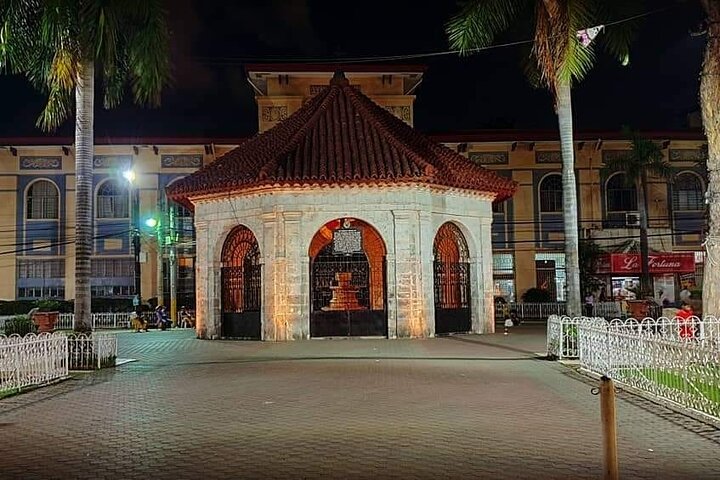
    • The city is home to historical landmarks, including Magellan's Cross and Fort San Pedro, reflecting its colonial past.
  3. Economy:

    • Cebu City is a major economic center with a diverse economy that includes manufacturing, trade, business process outsourcing (BPO), and tourism.
    • The Mactan-Cebu International Airport serves as a vital gateway, connecting the city to domestic and international destinations.
  4. Business and Industry:

    • The city is known for its thriving BPO industry, with numerous call centers and outsourcing companies operating in the area.
    • Cebu is a manufacturing hub, particularly for furniture, garments, and electronic products.
  5. Tourism:

    • Cebu City is a popular tourist destination with attractions such as historical sites, beautiful beaches, and vibrant festivals.
    • The Sinulog Festival, held every January, is one of the most famous festivals in the Philippines, attracting tourists and locals alike.

  1. Culture:

    • The Cebuano culture is a blend of indigenous, Spanish, and Chinese influences.
    • The locals, known as Cebuanos, are known for their warm hospitality and distinctive dialect, Cebuano or Bisaya.

  2. Landmarks and Attractions:

    • Magellan's Cross:
    • A Christian cross planted by Magellan upon arriving in Cebu in 1521.


    • Basilica Minore del Santo Niño:
    • One of the oldest Roman Catholic churches in the country, home to the Santo Niño de Cebu, a revered religious relic.


    • Tops Lookout:
    • A popular vantage point offering panoramic views of Cebu City and neighboring islands.


  1. Education:

    • Cebu City is a hub for education, with several universities and colleges, including the University of San Carlos and the University of the Philippines Cebu.
  2. Transportation:

    • The city has a well-developed transportation network, including buses, jeepneys, and taxis.
    • The Cebu South Bus Terminal and the Cebu North Bus Terminal are major hubs for land transportation.
  3. Infrastructure:

    • Cebu has seen rapid urban development, with modern infrastructure, shopping malls, and high-rise buildings.
Queen City Cebu is capital of the south Philippines Visayas Cebu island capital is just 1 hour away from Manila by plane.  Beautiful Cebu City is nicknamed Queen of the South and after manila 2. city is the largest and most populous of the Philippines. Magellan first came here in the Philippines (1521) and, more importantly in Asia where Christianity was born, and therefore has great impostance.

Cebu City is a dynamic and vibrant metropolis, blending rich history, modern amenities, and natural beauty. It continues to play a crucial role in the economic and cultural landscape of the Philippines.


Bright sea, this small island that has dominated the hot sun and the classic flavor in Asia, with its natural and cultural features have not been able to shine in tourism. Hospitality of the people, diversity and stable investment with Cebu's festivals, seems to further stripped of thousands of islands.
In the same area taken in 1993 on the UNESCO World Heritage List and the signing of the agreement will have great importance for the history of Philippine hang around the San Agustin Church. The area around the church is full of historic buildings. After walking you arrive to Cebu's famous market. Local products are sold in the market dizzying complexity of fruit and vegetables a judge. However everyone calm, angry, not trying to sell you something calling and yelling. Moreover, it is easily understood that you always smile for strangers, and I met a warm interest. Tourist facilities, has come to an assertive position in tourism by white sandy beaches. This position naturally led to further development compared to other Philippine island of Cebu. According to some honeymoon island. According to some Pacific islands on the coast and vacation options in the first three.

The state capital city of Cebu, the oldest city in the Philippines. Therefore, the "Queen of the South" and "the center of Christianity in the Philippines" is called. Capital in a sophisticated metropolis view the event Visa and Mindanano Region industrial and commercial center.

Today, the country with the highest economic growth rates in Cebu, thanks to its location and natural harbor with a busy commercial life. The fact that the hard-working people and rapidly growing tourism, is of great importance for the future of Cebu.Enhanced image of a metropolis on the one side, just ahead of pristine white beaches offers its visitors a paradise.
Crowned with the underwater beauty of the sea, sun, sand, tourism, and enriches the cultural and historical values. Cebu, one of the places where you will find Asia's natural texture. Friendly people, street delicacies, cheap shopping opportunities with Cebu, a small piece of Southeast Asia.

Mactan Island

Magellan mark, Magellan tomb, Lapu Lapu statue. The most important part of the island of Mactan, because here the foot prints Ferdinand Magellan (1521), but the local peoples don`t want Magellan here.

Magellan clash with local peoples and killed by the local peoples leader during the conflict and Magellan's tomb is here.Magellan gave the great ocean pacific name, because the ocean has been described as quiet and calm pacific name meaning.


Philippines' Historical Gem

  Vigan Welcome to Vigan, a city where every cobblestone whispers tales from the past, and every building stands as a testament to a rich an...